

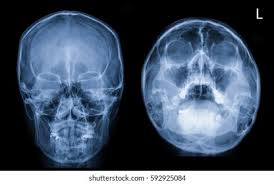
PNS X-RAY
A Complete Guide to Paranasal Sinus Imaging
A PNS X-Ray is one of the most common and effective tools doctors use to look into problems related to the sinuses. Whether you’re dealing with a runny nose that won’t go away or facial pain that keeps coming back, a PNS in X-Ray scan might help your doctor see what’s going wrong inside.
In this guide, we’ll explain everything about PNS X-Rays in a simple way so even school kids can understand, while also covering all the details that adults, parents, or caregivers need to know.
What is PNS X-Ray?
PNS stands for Paranasal Sinuses — they’re located around your nose, cheeks, and forehead. So, when we say X-Ray PNS means, we’re talking about a scan that shows these areas clearly.
Full Form and Meaning of PNS
PNS stands for Paranasal Sinuses — they’re located around your nose, cheeks, and forehead. So, when we say X-Ray PNS means, we’re talking about a scan that shows these areas clearly.
Difference Between PNS X-Ray and Normal X-Ray
A normal X-ray might be used to see bones or lungs, but a PNS X-Ray focuses only on the sinuses. It uses special angles and views (called Waters view or Caldwell view) to show the sinuses better. This makes it more useful for spotting sinus infections, swelling, or any unusual growths.
How Does PNS X-Ray Work?
Before the invention of OPG machines in the 1960s, dentists had to take multiple small X-rays to see the whole mouth. This took time, exposed patients to more radiation, and sometimes missed important issues.
Film-based OPGs were the first step toward panoramic dental imaging. While effective, they were slow – taking several minutes to develop the film. Any patient movement could blur the results.
Today, digital dental sensors have replaced film, offering:
- Instant, clear, high-resolution images that can be reviewed immediately.
- Lower radiation doses compared to old technology.
- Easy storage and sharing of images for patient records.
Latest Advances in OPG Technology
Digital vs. Film OPG
Digital OPG scans work more quickly, give clearer images, and are safer than the old film method. With digital scans, dentists can enlarge the image, change brightness or contrast, and easily mark areas that need attention – something not possible with traditional film X-rays.
AI in Dental Imaging
Some modern OPG machines now have AI features that automatically highlight cavities, bone loss, or unusual patterns, helping dentists make quicker and more accurate diagnoses.
Reduced Radiation
Latest systems use ultra-low-dose technology, making them safe for children and pregnant women (with proper precautions).
Why is an OPG X-Ray Done?
Role of Radiation and Equipment Used
A digital PNS X-ray uses a low dose of radiation to capture clear images of your facial area. The rays bounce back differently depending on the tissues and spaces in your sinuses. The machine captures these differences to create a clear image.
Modern machines used in clinics like Prime Care 360 use low-radiation digital X-ray technology, which is much safer and faster than older methods.
How the Sinus Areas are Captured
The machine takes pictures from different angles to get full views of all your sinuses — under the eyes (maxillary), in the forehead (frontal), between your eyes (ethmoid), and deeper in your skull (sphenoid). These are called PNS view X-Ray angles.
Purpose of PNS X-Ray: When Do You Need It?
Common Symptoms Requiring a PNS X-Ray
If you’re facing any of the following, your doctor might recommend a PNS X-Ray:
- • Constant nasal blockage
- • Facial pain or pressure
- • Repeated headaches
- • Nosebleeds or pus discharge
- • Breathing difficulty through the nose
These symptoms may point to sinusitis, which is often diagnosed through a normal PNS X-Ray.
Conditions Diagnosed Using PNS X-Ray
ENT specialists often ask for a PNS X-Ray report before starting treatments like nasal sprays, antibiotics, or even surgery. It gives them a clearer idea of what’s happening inside.
Sinusitis and Chronic InfectionsSinusitis is the most common problem. It happens when the sinuses get infected or swollen. A PNS X-Ray helps spot fluid levels, thickened membranes, and blocked sinuses.
Facial Trauma or FracturesIf you’ve had a hit to the face, a PNS view X-Ray can show broken bones around the nose or cheeks.
Tumors, Polyps, and Allergic InflammationThough rare, abnormal masses like nasal polyps or tumors can be seen in a PNS X-Ray report. Swelling due to allergies also shows up clearly.
Procedure: What Happens During a PNS X-Ray?
Before the Scan – Preparation Tips
There’s no need to skip meals or drink anything special. Just wear comfortable clothes and remove:
- Earrings
- Neck chains
- Hair clips
- Spectacles
This helps make sure the X-ray image comes out clear without any disturbance.
During the Scan – What to Expect
The scan takes just 5–10 minutes. You will be asked to stand or sit still with your head in a specific position. The technician may adjust your head to capture the right PNS view X-Ray angles.
After the Scan – Getting Your Report
You can usually collect your PNS X-Ray report within 30 minutes to a few hours. At Prime Care 360, reports are digitally shared with your doctor for faster diagnosis.
⚠️ Is PNS X-Ray Safe? Risks and Side Effects
Radiation Exposure in Adults vs ChildrenThe radiation dose in a PNS X-Ray is extremely low and considered safe, even for kids. But doctors avoid doing too many of these scans unless absolutely needed, especially for children.
When to Avoid This TestPregnant women should avoid this test unless it’s urgent. Always tell your doctor if you’re expecting or might be pregnant.
How to Prepare for a PNS X-Ray
Clothing and Jewelry GuidelinesAs mentioned, wear loose-fitting clothes and remove anything metallic around your head and neck.
Fasting or Medication InstructionsNo fasting is needed. You can continue your regular medications unless your doctor says otherwise.
Any X-Ray Will DoMost dental X-rays capture only a small part of the mouth. An OPG is different because it can show the whole mouth in a single image.
PNS X-Ray Results & Types of Views
What a Normal Report Looks Like
A normal PNS X-Ray report will mention:
- Clear sinus cavities
- No fluid levels
- No bone damage
- No abnormal growth
Common Abnormal Findings
Some signs of abnormal PNS X-Ray results include:
- Mucosal thickening (sign of infection)
- Fluid levels (pus or inflammation)
- Polyp formations
- Bone erosion (in advanced infections or tumors)
Types of PNS X-Rays
Shows maxillary and frontal sinuses clearly — often used to detect sinus infections.
Good for showing ethmoid and frontal sinuses – ideal when infections are between the eyes.
Used in trauma cases or when detailed 3D-type understanding is needed.